Carpal tunnel syndrome
Numbness and tingling in the thumb, index and middle fingers, worse at night, is how carpal tunnel syndrome usually starts. It happens when the median nerve is squeezed inside a narrow tunnel at the wrist. It is common, it is treatable, and it is worth having looked at before the numbness stops coming and going.
Prefer to book yourself? Book online with Dr. Knight
What does carpal tunnel feel like?
Most people describe some combination of these. You do not need all of them for it to be carpal tunnel.
- Numbness or tingling in the thumb, index and middle fingers, and often half of the ring finger.
- Symptoms that wake you at night, or that make you shake the hand out to get the feeling back.
- Tingling when you hold a steering wheel, a phone or a book for a while.
- An ache that travels up the forearm from the wrist.
- Clumsiness: dropping a cup, or fumbling buttons and keys.
- Weakness in the grip, or difficulty pinching the thumb and index finger together.
The little finger is usually spared, because a different nerve serves it. That is one of the things Dr. Knight checks during the exam.
What causes it?
The carpal tunnel is a narrow passage at the base of the palm. The median nerve runs through it alongside the tendons that bend the fingers. When the tissue inside that tunnel swells, or the space itself is tight, the nerve comes under pressure, and pressure on a nerve produces numbness, tingling and eventually weakness.
Plenty of things can raise the risk. Repetitive hand and wrist use, pregnancy, diabetes, thyroid conditions and old wrist fractures are the ones seen most often. Often no single cause stands out, which does not change how it is assessed or how it is treated.
How is it diagnosed?
By hand, in the room, before anything else.
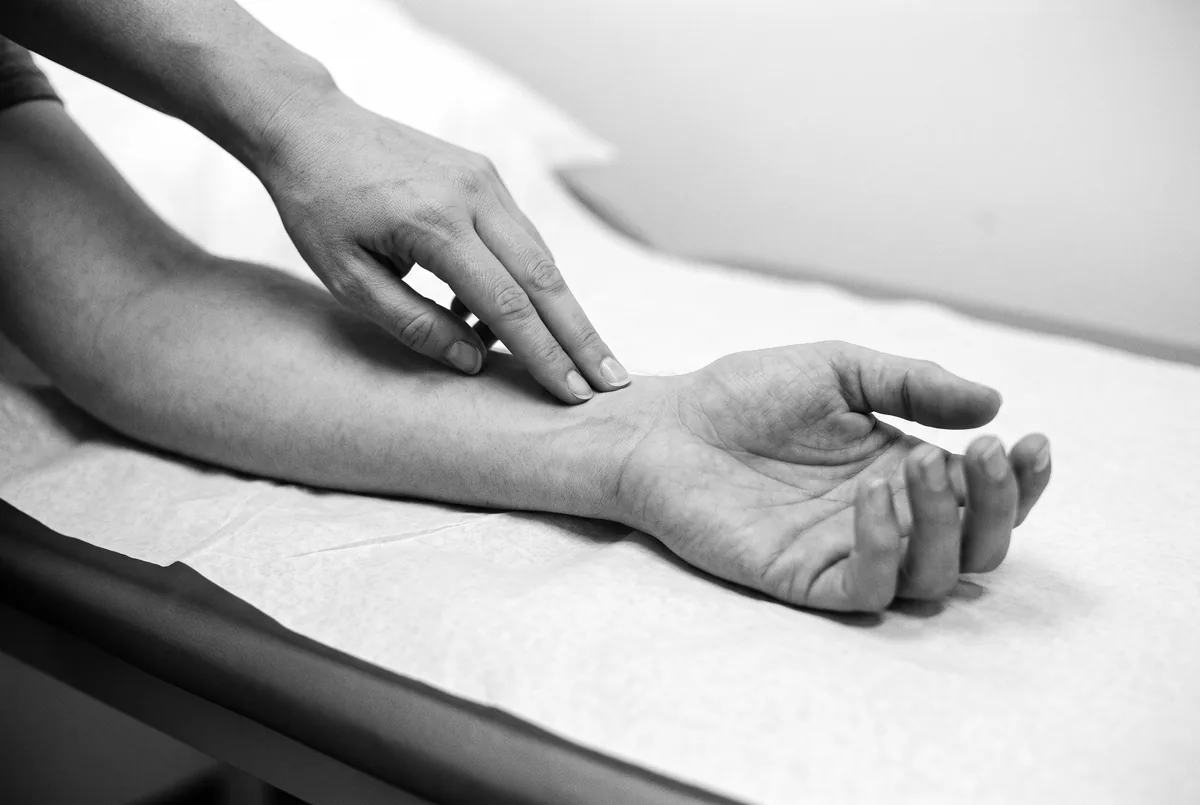
Diagnosis starts with your history and a hands-on exam of the wrist and nerve: which fingers are affected, when the symptoms come, what makes them worse, what you have already tried, and how the nerve responds to a few specific tests at the wrist.
X-rays are taken in our Southlake office when they are needed, and you look at them with Dr. Knight the same visit. Where the diagnosis is not clear from the exam, Dr. Knight will arrange nerve testing and tell you where it is done. If you need an MRI or other advanced imaging, it is done at an imaging facility a few blocks away and the results come back to Dr. Knight.
You do not need a test in hand before you are seen. Bring whatever you already have, and book a visit with that.
How is it treated?
Most of these conditions are treated in steps, and many settle before surgery is on the table.
1
Non surgical
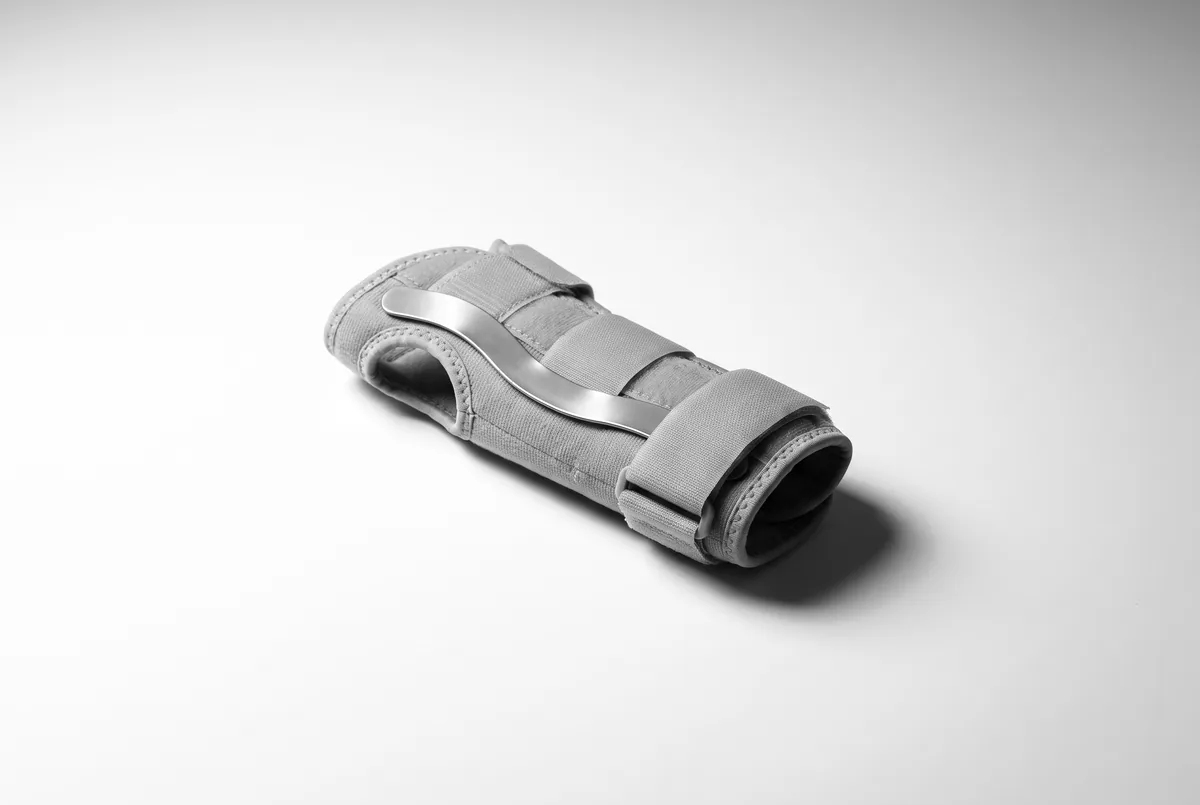
Splinting and activity change
A wrist splint worn at night holds the wrist in a neutral position so the nerve is not compressed while you sleep, alongside changes to the movements and positions that aggravate it.
2
Non surgical
Corticosteroid injection
If splinting is not enough, a steroid injection into the carpal tunnel can reduce the swelling pressing on the median nerve. How well you respond also helps confirm the diagnosis.
3
Surgical
Carpal tunnel release, endoscopic or open
If the numbness persists, the ligament that forms the roof of the tunnel is released so the nerve is no longer under pressure. Dr. Knight performs both endoscopic and open release. Endoscopic release works through a small opening at the wrist, using a camera to see the ligament from the inside. Open release uses a single incision in the palm, so the ligament is divided under direct view. Dr. Knight will tell you which one suits your hand and why. Surgery is done at Legent Hospital in Plano.
 Watch: how carpal tunnel release worksCarpal Tunnel Release, Open Procedure vs. Endoscopic. Opens on YouTube
We start with the least invasive option that fits your case. If an operation is the right answer, Dr. Knight will tell you what it does and what recovery looks like for your hand.
When should I see a surgeon?
Any one of these is a reason to have the hand looked at rather than wait it out.
- Numbness that wakes you at night.
- Weakness, or dropping things you used to hold without thinking.
- Symptoms that have carried on for weeks despite wearing a splint.
- Loss of feeling that does not come back when you shake the hand out.
Constant numbness or muscle wasting at the base of the thumb should not wait. Call (817) 382-6789 and say so; same day appointments are available.
What happens at your first visit?
Three steps, one appointment. You can expect to leave with a diagnosis and a plan, not a referral to somewhere else.
You describe the hand
Where the numbness sits, which fingers wake you at night, and what you have already tried. Bring any imaging or notes from another doctor.
Dr. Knight examines you
A hands-on exam of the wrist and nerve. X-rays are taken in our Southlake office and you review them with Dr. Knight minutes later, in the same visit. If the exam points to something an X-ray will not show, Dr. Knight will arrange the right test.
You leave with a plan
A clear diagnosis and a written treatment plan that starts with the least invasive option that fits your case, and the next appointment set before you go.
Common questions about carpal tunnel
Can carpal tunnel go away on its own?
Mild symptoms sometimes settle, particularly where the cause is temporary, such as pregnancy or a short spell of heavy hand use. Symptoms that keep coming back, or that have started to affect feeling and grip, are worth having examined rather than waited out.
Do I need a nerve test before I am seen?
No. The visit starts with your history and a hands-on exam. Where the diagnosis is not clear from the exam, Dr. Knight will arrange nerve testing and tell you where it is done. If you have already had testing elsewhere, bring the report with you.
Do I need a referral?
Most patients book with us directly. Some insurance plans require a referral from your primary care doctor before they will cover a specialist visit, so it is worth checking your plan. Call (817) 382-6789 and we will help you work out what your plan needs.
How soon can I be seen?
Same day appointments are often available at both offices. Call (817) 382-6789 and we will tell you the first opening in Southlake and in Dallas, or book yourself online.
Will I need surgery?
Not necessarily. Treatment is worked through in steps, starting with a splint and changes to what aggravates the hand, then an injection where that is appropriate. Release surgery is considered when the numbness persists, or when the nerve is under enough pressure that waiting risks feeling and grip.
Which office should I choose?
Whichever is easier for you to reach. Dr. Knight sees patients in Southlake and in Dallas, and both offices keep the same hours. X-rays are taken on site in Southlake. Addresses, hours and directions for both are on the locations page.
Stop waiting for the numbness to pass on its own
Carpal tunnel that is left alone tends to get worse, and feeling that has been lost does not always come back. That is why it is worth having a specialist look at it.
Prefer to book yourself? Book online with Dr. Knight. This page is general information, not medical advice.
Notes for the practice, before this page could go live
- Clinical claims to reconcile. The Codex technical audit flagged the current live carpal tunnel page for clinical claims covering mechanism, recovery timing and outcome figures that need Dr. Knight's reconciliation against current AAOS carpal tunnel guidance. This concept carries no proportion, no recovery timeline and no outcome figure on purpose. Dr. Knight decides what goes back in.
- Board certification. "Board-certified orthopedic surgeon" is the practice's own wording and has not been independently confirmed. The certifying board is deliberately not named, which also keeps the page clear of the Texas advertising rule at 22 TAC 164.4 on naming a certifying board. Confirm it in writing, then name it.
- Nerve testing venue. Nothing published anywhere says the practice performs nerve testing on site, so this page only says Dr. Knight arranges it and tells you where it is done. Confirm where it happens and we will name the place.
- X-rays at Dallas. On-site X-ray is documented for Southlake only. Patient reviews suggest Dallas takes them too. Confirm it and the sentence widens to both offices.
- Self-pay price for a new patient consultation is not published anywhere, so this page quotes no figure and asks the patient to call.
- Referral policy. No source states whether a referral is required. The FAQ answer avoids the claim in both directions. One plain sentence from the practice replaces it.
- Patient education video. The "Watch: how carpal tunnel release works" figure links out to the practice's own YouTube video, which is already embedded on the current carpal tunnel page. It is a still image and an outbound link, so nothing loads from YouTube unless the patient clicks. Two points before this goes live: the channel handle is handsurgeonla, a Los Angeles-era name that should be renamed to the Dallas practice, and Dr. Knight should re-watch the video against what this page now says, since the page deliberately carries no recovery timeline or outcome figure and the video may.
- ViewMedica animations. The current page also carries three ViewMedica animations. ViewMedica serves its poster frames from inside its own player, so no still could be harvested and the practice's own YouTube thumbnail is used instead. If the practice wants the ViewMedica animations on the new page, that is a licensed third-party embed and it needs a decision, because it will add external requests to a page that currently makes none.
- Review date. The 4 September 2026 date is the concept's placeholder. Dr. Knight sets the real date when he signs the page off, and the date moves whenever the page is updated.